Woodworking and custom cabinet website design
Organize your work by service and scope, such as built-ins, finish carpentry, or production millwork. Explain what the customer should prepare before a quote.
Construction & projects
Show the difference between custom millwork, installations, and finished products. Let customers find comparable materials and scope before sending design details.
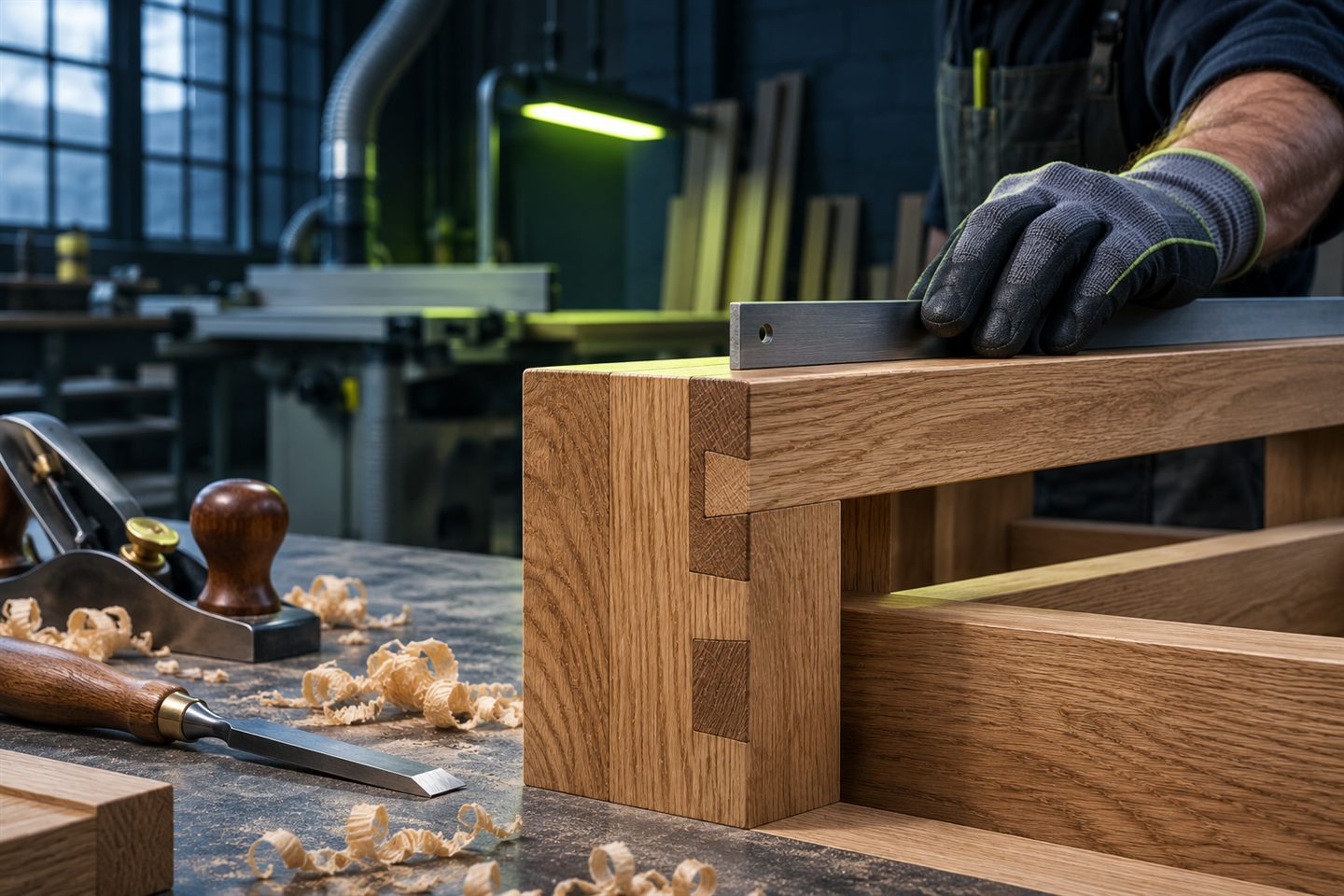
What to solve first
Show materials, installation, tolerances or finishes where they matter, and specify what makes a quote possible.
Organize your work by service and scope, such as built-ins, finish carpentry, or production millwork. Explain what the customer should prepare before a quote.
Connect project examples with the services, material options, and applications you actually perform. Keep custom and repeat production intents separate.
Use vocabulary, photography, and visual identity that express what your shop makes. Keep the story consistent across site, estimates, packaging, and installed work.
Write helpful guides to material selection, finish expectations, measurements, and installation planning. Support them with original project examples you have permission to share.
A homeowner may want a custom built-in and need design and installation context. A repeat commercial client may need quantities, finishes, fit, and delivery dates. Separate custom and repeat work when those choices drive different questions.
Have the shop verify which materials, processes and project sizes it can deliver. Use approved project or process photography, describe your actual role, and give buyers a clear way to share dimensions or scope without placing restricted drawings into public intake.
| Buying intent | What the page should answer | What to measure |
|---|---|---|
| Custom built-ins or cabinetry | A service page with approved examples, materials, scope, and an estimate route. | Eligible requests with useful dimensions and timing. |
| Finish carpentry installation | A page explaining site access, installation area and project boundaries. | Suitable inspections or scheduled project inquiries. |
| Millwork or repeat production | Capability and finish information, target quantity and quote path. | RFQs the shop can actually estimate. |
| Portfolio and application research | Useful approved images with what was built, the shop’s role, and links to related scope. | Visitors who find comparable work and ask about an appropriate project. |
Give each service the evidence a homeowner, designer, or commercial buyer needs to assess fit.
Ask for context, dimensions, materials if known, quantities and timing. Keep approved file sharing separate for more detailed documents.
Review inquiry type, scope, material compatibility and size. Learn which content generates opportunities the shop can price.
Publish terms or ranges when the shop can verify representative assumptions. Make variables such as material, size, finish and installation clear.
Use permitted material or process facts and approved images. Avoid disclosing a client or restricted drawing without permission.
Yes. Keep a recognizable identity and use different scope and proof for the decisions each buyer has to make.
Project inquiries
Gather services, material scope, lead times, installation geography, approved portfolio photos, and secure handling for project drawings.